
Polymer Modified Bitumen (PMB) Plant
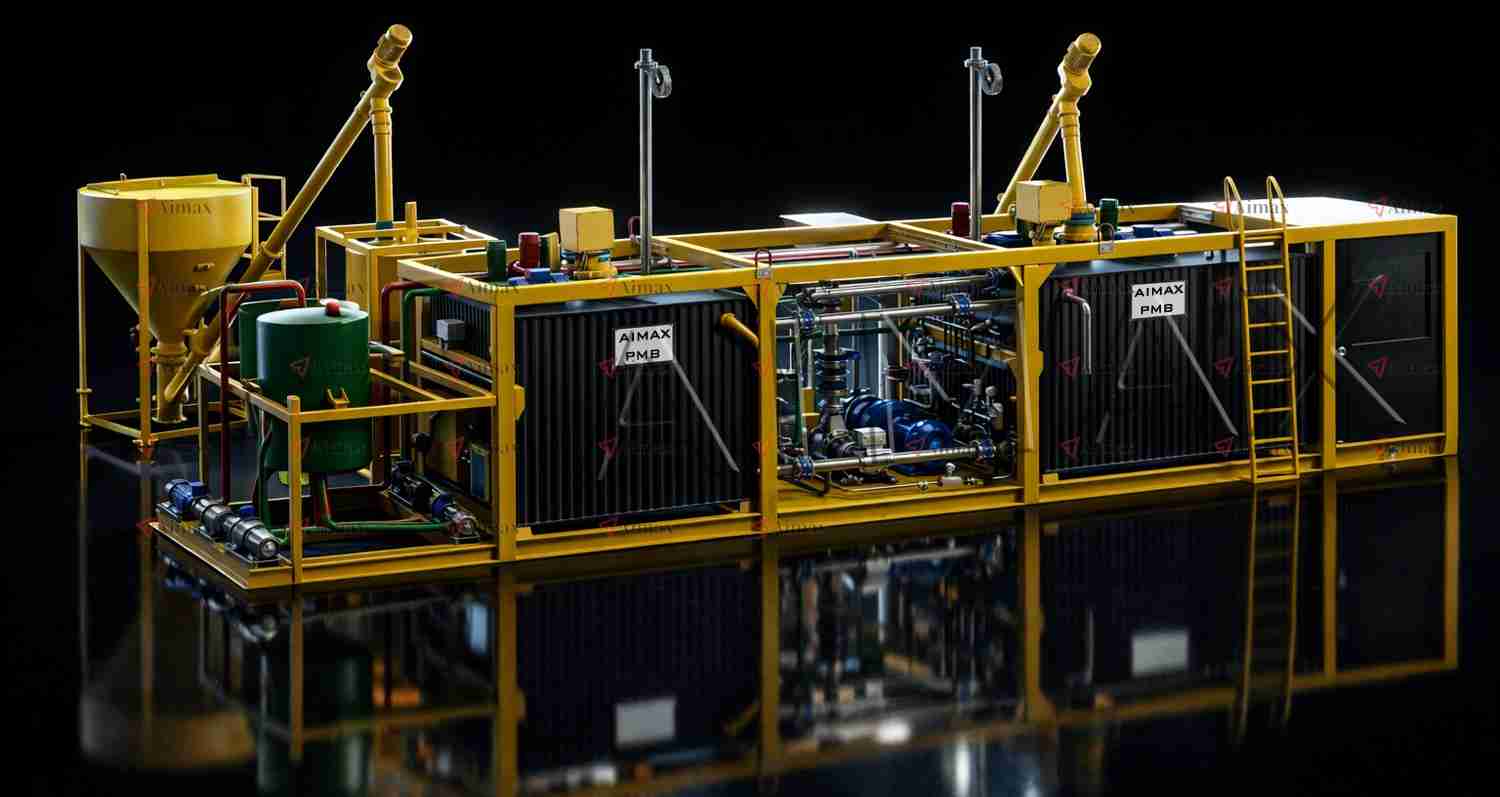
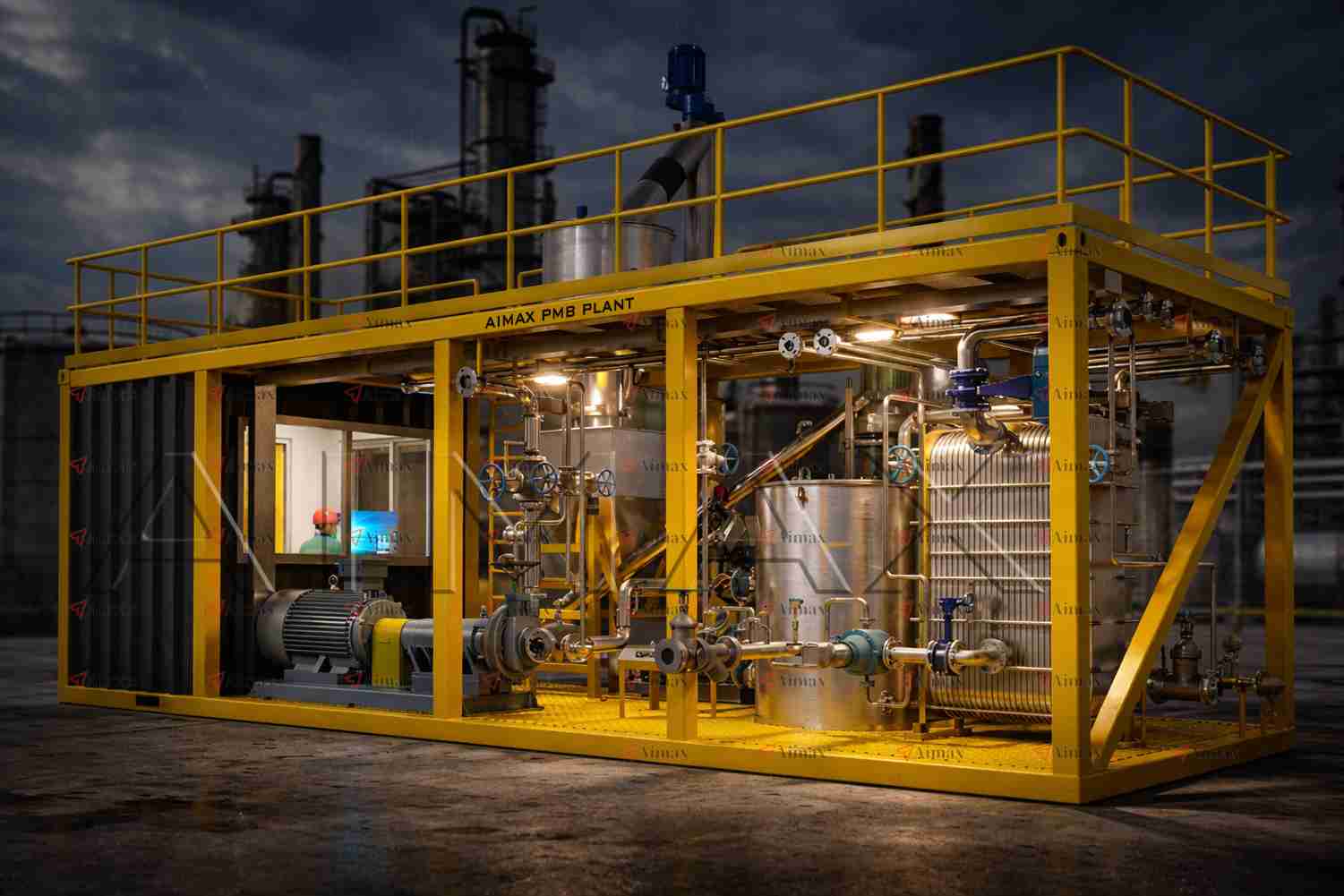
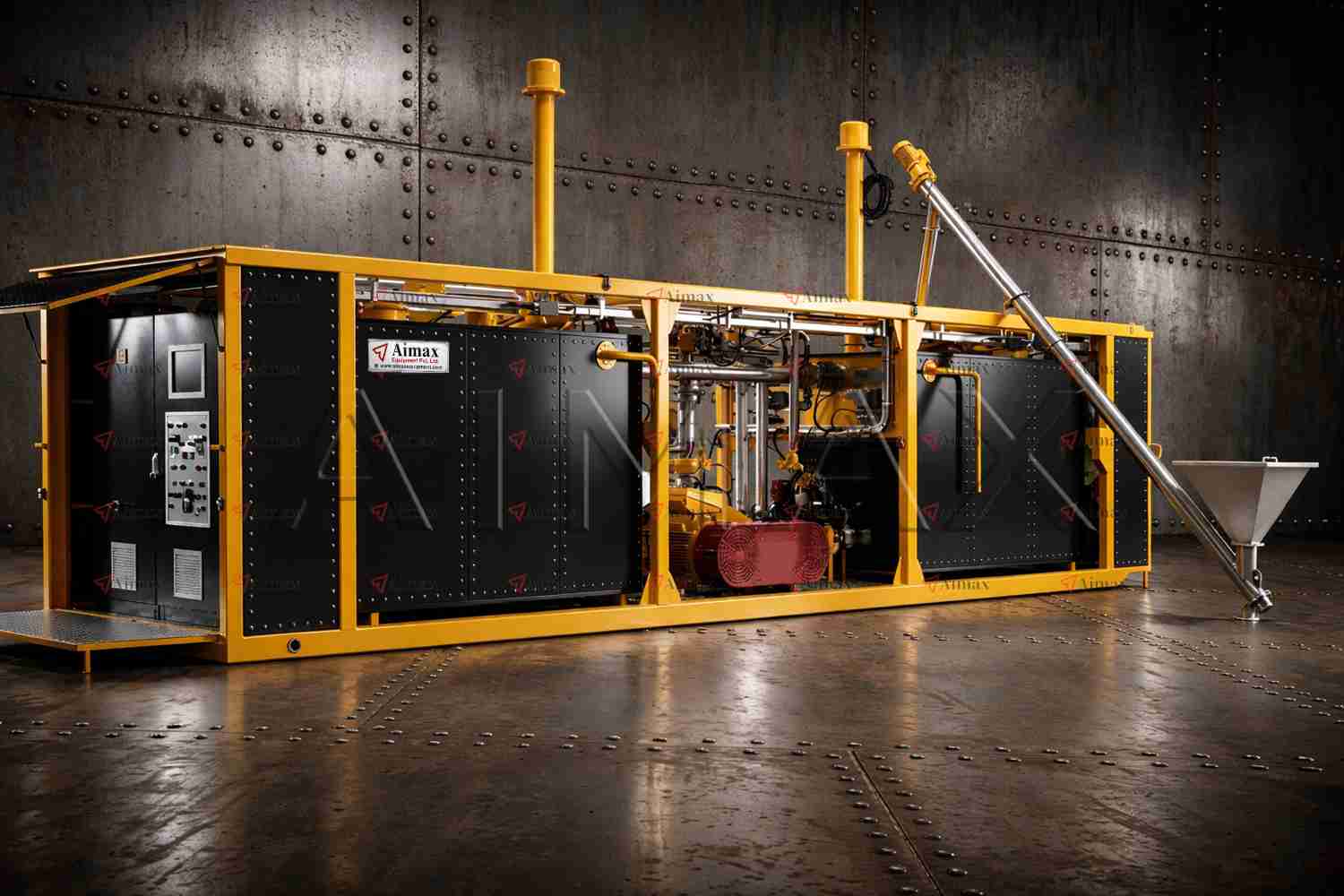
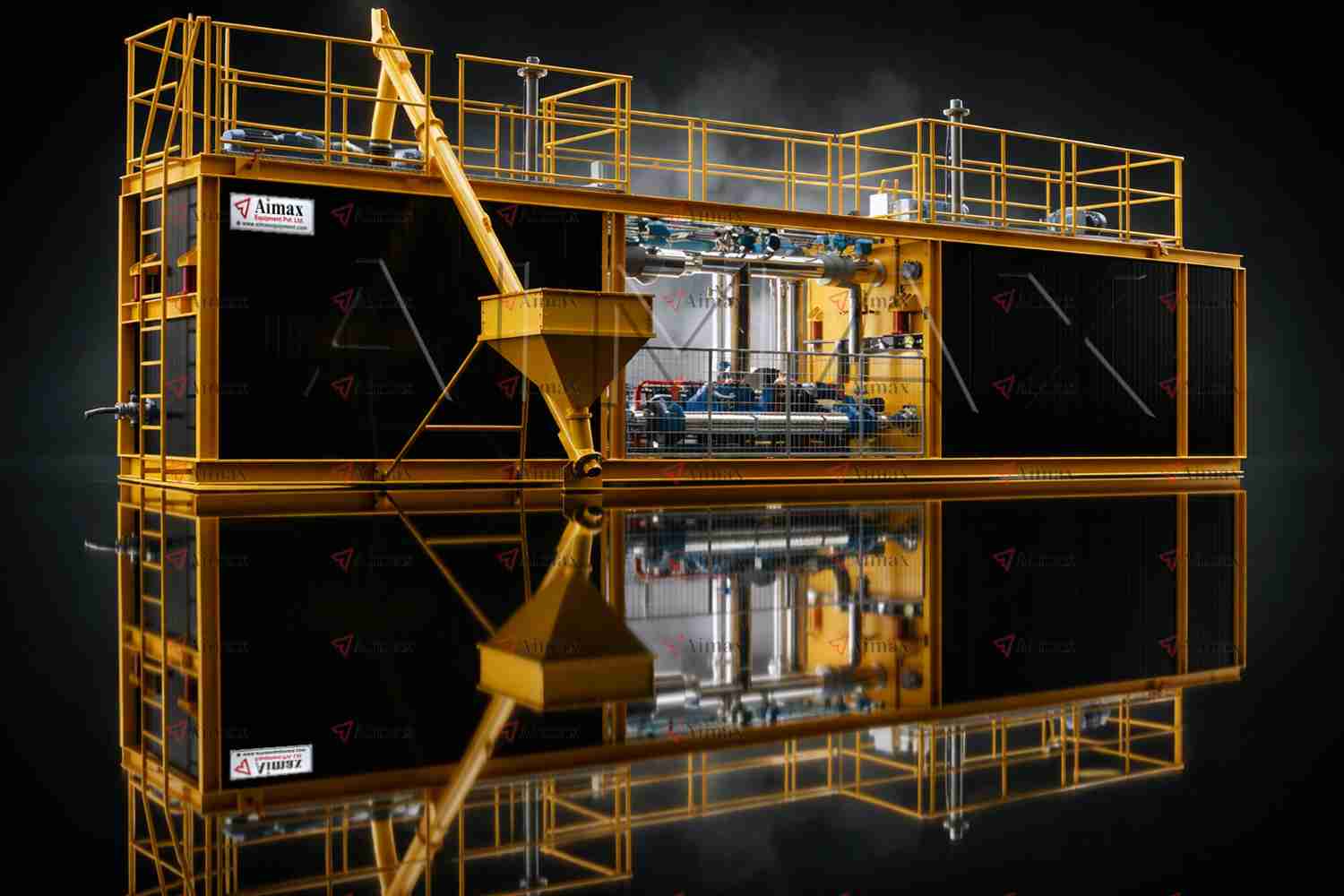
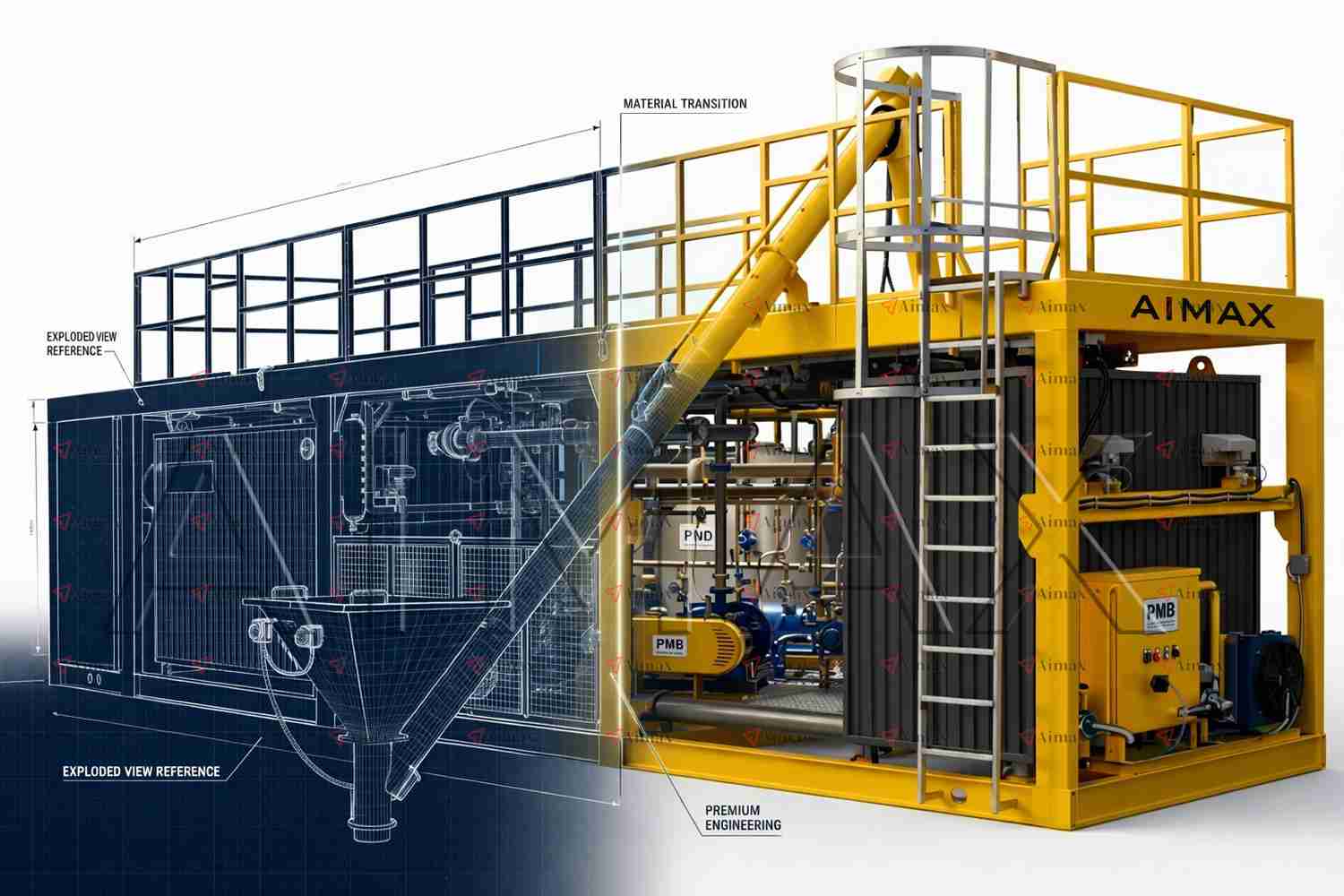
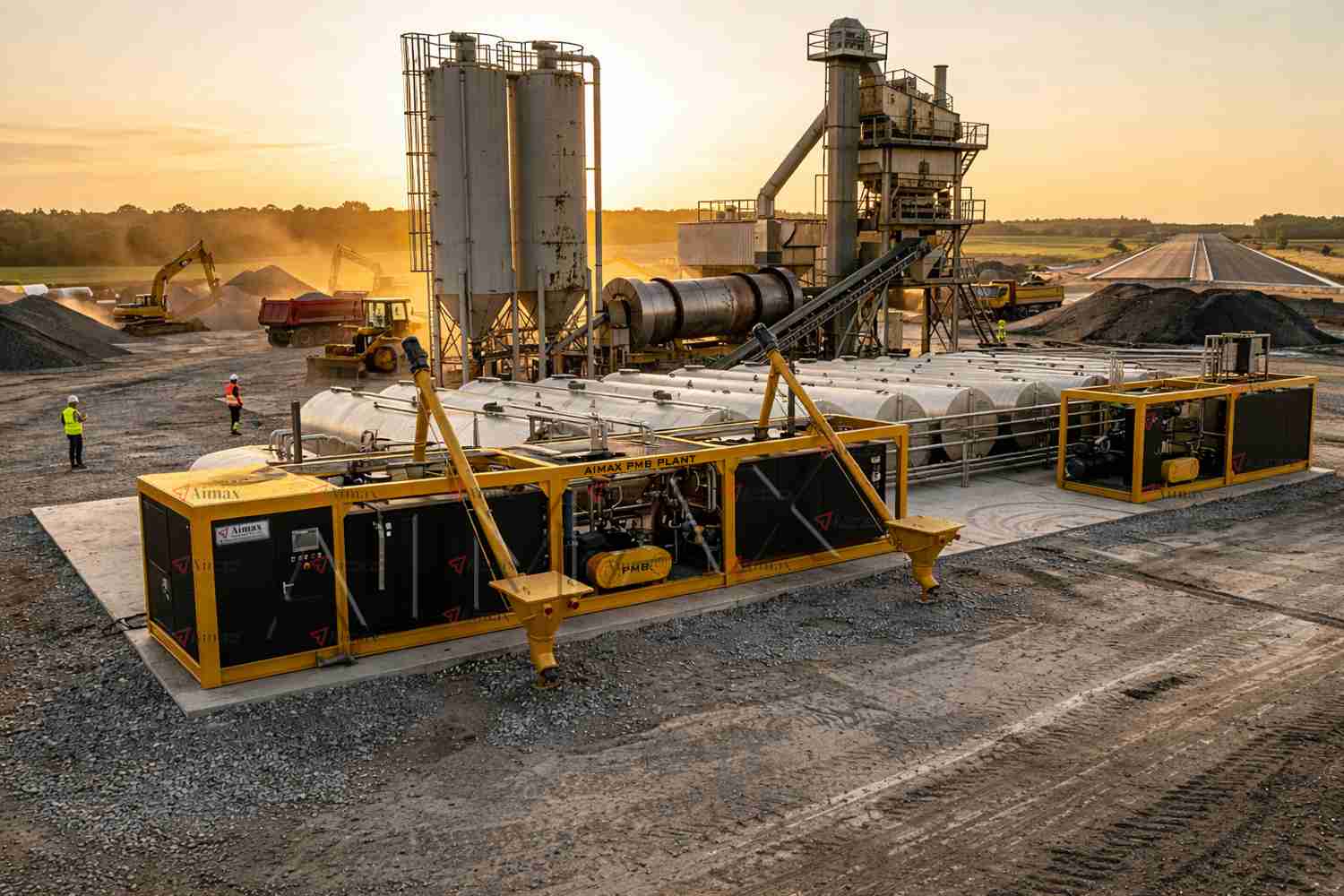
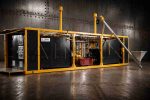
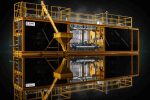
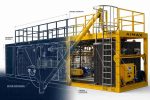
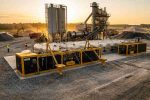
PMB Plant is designed to produce polymer modified bitumen by blending polymers like SBS or EVA with bitumen, enhancing strength, elasticity, and resistance to temperature variations for premium road construction.
Description
Aimax PMB Plant is used to produce polymer modified bitumen by blending thermoplastic polymers such as SBS or EVA into hot bitumen. This process enhances elasticity, adhesion, and resistance to deformation under heavy loads and temperature changes.
The plant uses a high shear mixing system to ensure uniform dispersion of polymer into bitumen. Controlled processing ensures consistent quality and stability of the final product.
PMB is ideal for expressways, flyovers, bridges, and urban roads where high performance and durability are required. It significantly reduces road maintenance frequency and improves overall lifecycle performance.
CRMB Plant vs PMB Plant – Which One Should You Choose?
Choosing the right modified bitumen plant depends on your project type, budget, and performance requirements. Here’s a clear comparison to help you decide:
Difference Table (CRMB vs PMB)
| Parameter | CRMB Plant | PMB Plant |
| Material Used | Crumb Rubber (Waste Tyres) | Polymer (SBS / EVA) |
| Cost Factor | More economical | Higher initial cost |
| Road Performance | High flexibility (anti-cracking) | High strength (anti-deformation) |
| Ideal Projects | Rural roads, highways, PMGSY | Expressways, city roads, bridges |
| Mixing Process | Rubber digestion required | Polymer blending (precision) |
| Production Time | Longer | Faster |
| Storage Stability | Low (needs immediate use) | High (can be stored longer) |
| Eco-Friendly | Yes (recycled material) | Limited |
| Maintenance | Moderate | Slightly higher |
| Operator Skill | Medium | High (controlled system) |
Plant Configuration Difference
CRMB Plant Configuration (Rubber-Based System)
Designed for continuous mixing & rubber digestion
Includes:
• Bitumen Heating & Storage Tank
• Crumb Rubber Feeding System
• High Shear Mixer / Colloid Mill
• Digestion Tank with Heavy-Duty Agitator
• Thermic Fluid Heating System
• Continuous Circulation Pumping System
• Finished Product Tank (with agitation)
• Semi / Fully Automatic Control Panel
Key Feature: Strong agitation & continuous circulation required to avoid rubber settling.
PMB Plant Configuration (Polymer-Based System)
Designed for precision mixing & controlled blending
Includes:
• Bitumen Heating & Storage System
• Polymer Feeding & Dosing System
• High Shear Mixer / Colloid Mill
• Blending / Reaction Tank
• Additive Dosing System
• Thermic Fluid Heating Unit
• Storage Tank with controlled agitation
• PLC-Based Control Panel (Recommended)
Key Feature: Accurate dosing and high precision mixing for consistent quality.
Practical Selection Guide (Very Important for Buyers)
| Your Requirement | Recommended Plant |
| Budget-friendly solution | CRMB Plant |
| Use of recycled materials | CRMB Plant |
| Long highways / rural roads | CRMB Plant |
| Premium road quality | PMB Plant |
| High traffic / expressway projects | PMB Plant |
| Long-term durability & performance | PMB Plant |
Quick Buyer Insight
- Choose CRMB Plant if your focus is cost-saving + sustainability + flexible roads
- Choose PMB Plant if your focus is premium quality + long life + high performance
Not sure which plant is right for your project?
Contact Aimax Experts for project-based recommendation and customized plant solution.
Key Points
- Superior bonding strength
- High temperature & crack resistance
- Longer pavement life
- Ideal for expressways & urban roads
- Advanced polymer mixing technology
- Reduced maintenance cost
- Consistent and stable quality
Specification
Parameter Details
Plant Type Batch / Continuous
Production Capacity 5 – 25 TPH
Mixing System High Shear Mixer / Colloid Mill
Heating System Thermic Fluid Heater
Raw Material Bitumen + Polymer (SBS/EVA)
Control System Semi / Fully Automatic
Storage Tanks Insulated
Temperature Range 170°C – 190°C
Application Expressways, Bridges, Urban Roads
Standard Config
- Bitumen heating & storage system
- Polymer feeding unit
- High shear mixer / colloid mill
- Blending & reaction tank
- Additive dosing system
- Thermic fluid heating system
- PLC-based control panel (optional)
- Pumping & circulation system
Features
FAQ
Usually 3% to 6%, depending on project specifications. Typically 1–2 hours per batch depending on capacity and formulation. Yes, insulated tanks with agitation are recommended to maintain stability. Yes, longer than CRMB, but proper temperature and agitation must be maintained. Better elasticity, resistance to deformation, and longer service life. Depends on capacity, but includes mixer, pumps, and control system load. Yes, trained operators are recommended for consistent quality. Yes, capacity, automation level, and features can be customized. Higher than normal bitumen but offset by long-term performance benefits. Yes, it performs excellently in extreme temperature conditions. Yes, anti-stripping agents and other additives can be integrated. What is the typical polymer percentage in PMB?
What is the production cycle time?
Does PMB require special storage tanks?
Can PMB be stored for long durations?
What is the advantage over normal bitumen?
What is the power consumption of the plant?
Is skilled manpower required?
Can this plant be customized?
What are the operating costs?
Is PMB suitable for hot climate regions like Africa or the Middle East?
Can additives be added during production?
Related products

Asphalt Batch Mix Plant
Asphalt Batch Mix Plant (80 TPH – 320 TPH)
Aimax Asphalt Batch Mix Plants are engineered for precision and reliability, offering a wide capacity range from 80 TPH to 320 TPH to suit every contractor’s production needs. From the cost-efficient Smart Series for small projects to the high-output Titan Series for mega-infrastructure, our plants provide future-ready, fuel-efficient asphalt production solutions.
Key Features
- High Performance: Consistent and uniform asphalt mix quality with fast batch cycles.
- Fuel Efficiency: Optimized burners and heat transfer systems reduce fuel consumption per ton.
- Advanced Automation: PLC-based systems ensure accurate weighing and real-time monitoring.
- Modular Design: Built for easy transport, fast installation, and seamless future upgrades.
- RAP Compatibility: Designed to support up to 40% Reclaimed Asphalt Pavement (RAP) integration.
Asphalt Drum Mix Plant
Aimax Asphalt Drum Mix Plant is a high-performance continuous asphalt mixing solution designed for modern road construction projects.
It ensures consistent output, fuel efficiency, and superior asphalt quality with advanced drum mixing technology.
Engineered for durability and precision, it delivers reliable performance in all working conditions.
Ideal for contractors seeking cost-effective and high productivity asphalt production.
Key Features
- Continuous type drum mixing technology for uninterrupted production
- Fuel-efficient burner system reducing operational costs
- Advanced SCADA/PLC control system with HMI interface
- Accurate electronic belt weighing system with load cell
- Heavy-duty dryer drum with triple heat transfer mechanism
- Uniform asphalt coating with optimized mixing flights
- Low maintenance design with high durability components
- Environment-friendly pollution control unit


Asphalt Paver Finisher
Cost-Effective Asphalt Paver Finisher for Asphalt & Wet Mix Applications
Aimax WM6 HES Asphalt Paver Machines are designed for contractors who need a reliable, easy-to-operate, and cost-effective solution for road construction. Built for dual application (asphalt and wet mix paving), these machines deliver uniform thickness, smooth surface finish, and consistent performance across different types of projects.
Whether you're working on rural roads, municipal projects, or small to mid-scale highway jobs, the WM6 series offers the right balance of performance, durability, and affordability. With a robust structure and practical hydraulic systems, it helps reduce material wastage and improve overall paving efficiency.

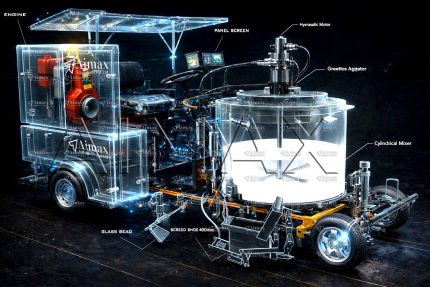
Automatic Road Marking Machine
Aimax Ride-On Thermoplastic Road Marking Machines are built for contractors who need consistent output, durability, and flexibility in different project conditions. These machines deliver precise line marking with controlled thickness and excellent bonding on road surfaces. With multiple capacity options, advanced heating systems, and now electric drive variants, they are suitable for everything from municipal jobs to large highway contracts.
- Self-Propelled Ride-On Machine for continuous operation
- Available in Diesel Drive and Electric Drive Models
- Compatible with 500 Kg to 2000 Kg Pre-Heater Systems
- LPG + Oil Heating and Diesel Burner Heating Options
- Precision Screed Shoe for sharp and uniform lines
- Automatic Glass Bead System for reflective markings
- Computerized Skip Line Control for accurate dash marking


Bitumen Sprayer
Aimax BES Series Bitumen Emulsion Sprayer is a tractor trolley-mounted, cost-effective solution designed for uniform and efficient spraying of bitumen emulsion. Ideal for rural roads, PMGSY projects, and small to medium road construction works, it ensures reliable performance with a dual heating system and easy mobility.

Reviews
There are no reviews yet.