
Crumb Rubber Modified Bitumen Plant(CRMB Plant)
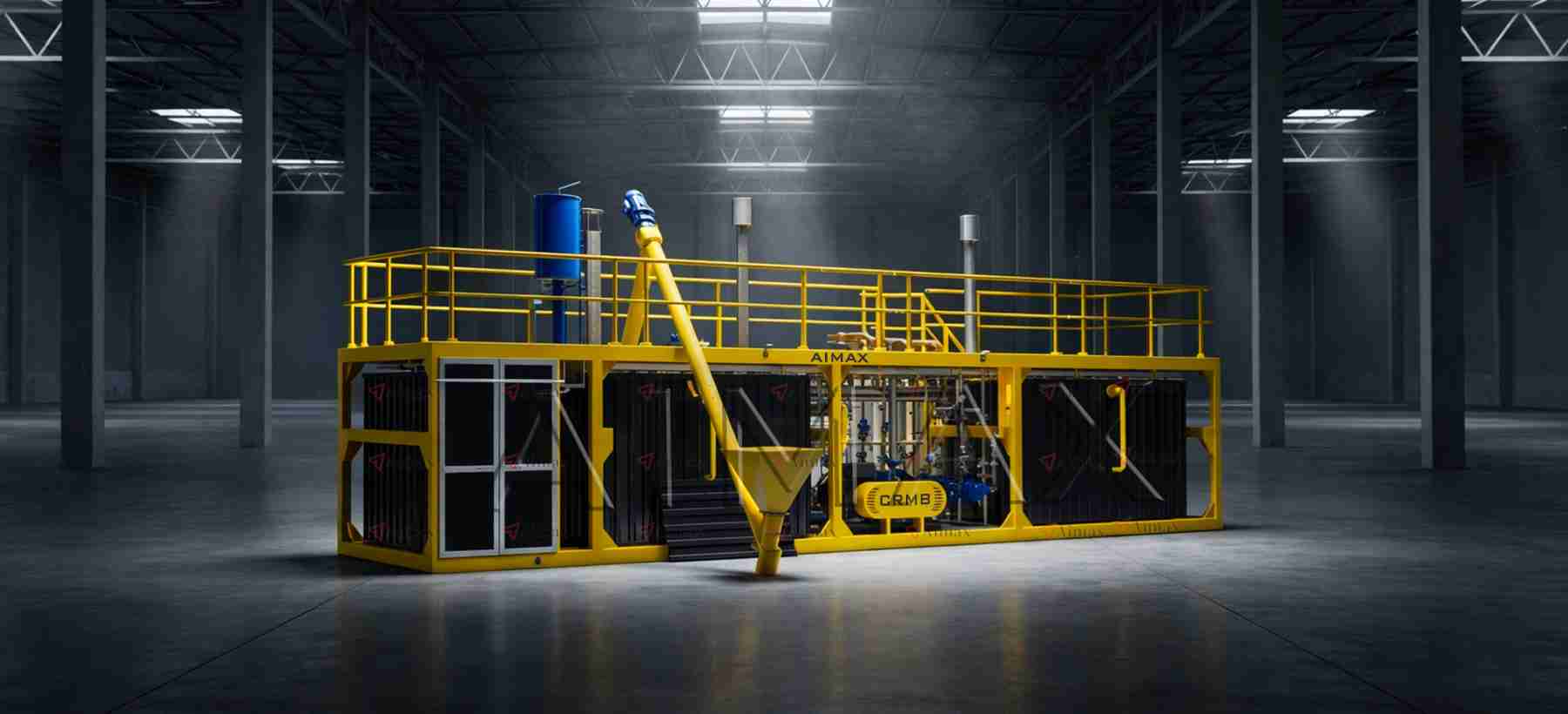
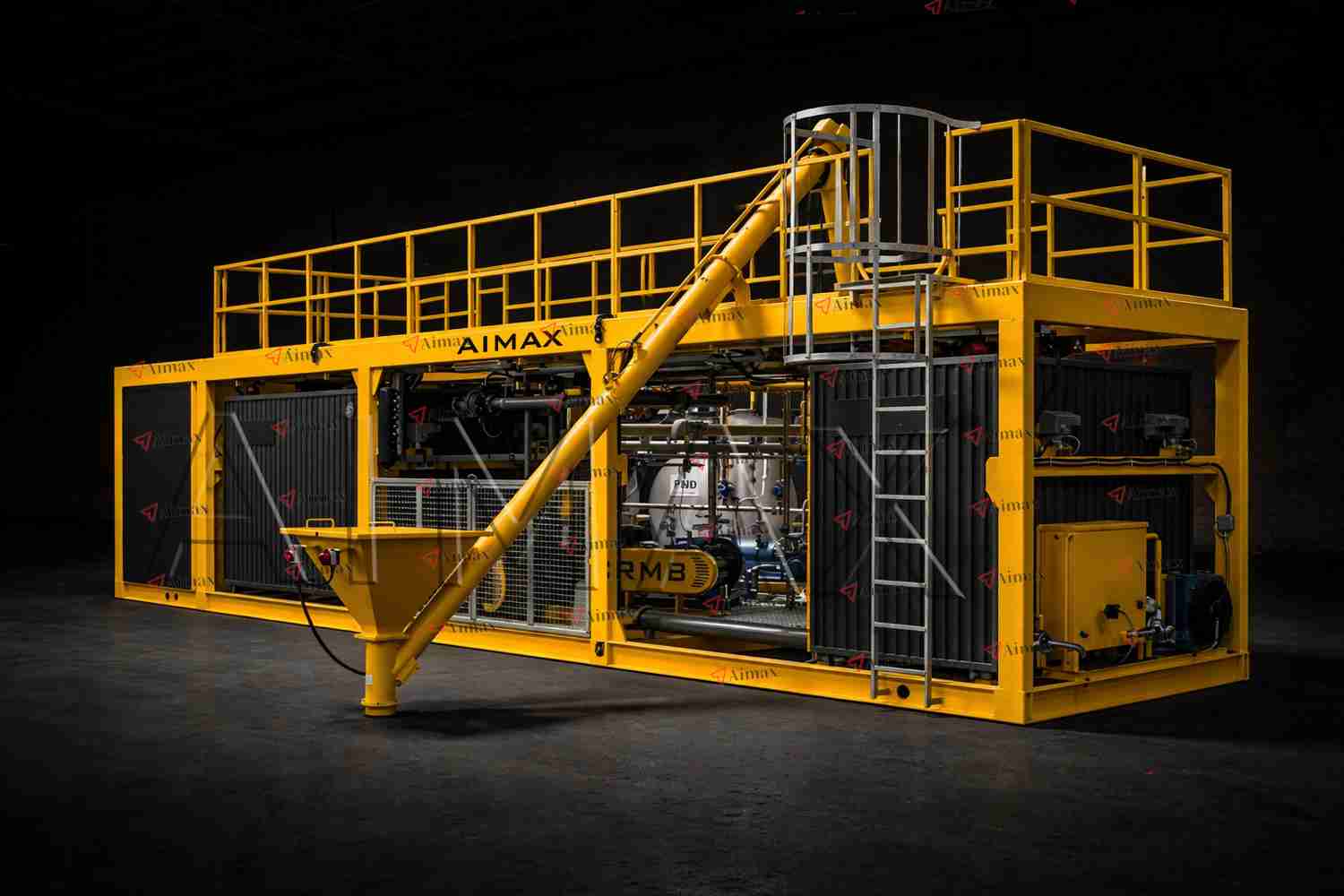
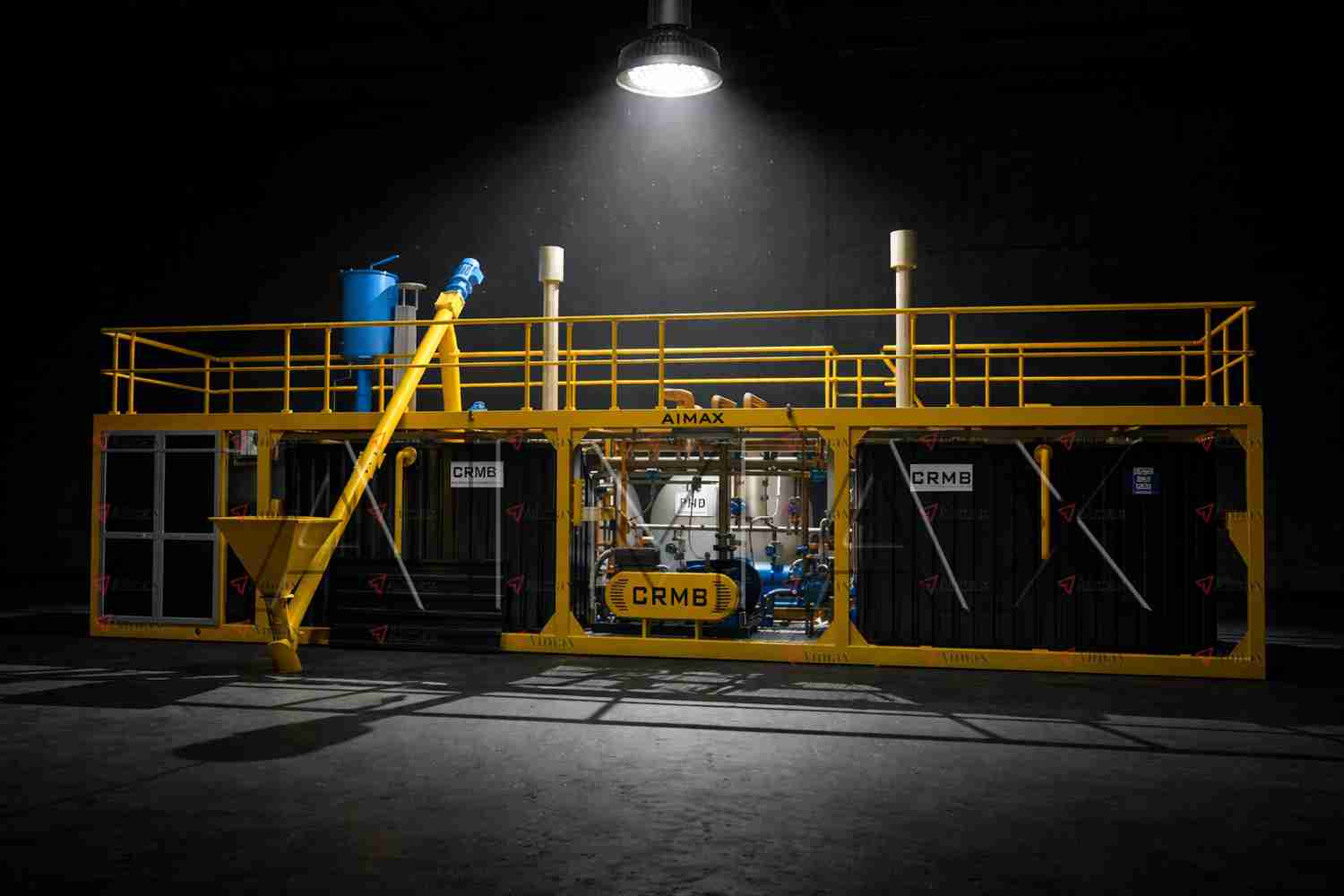
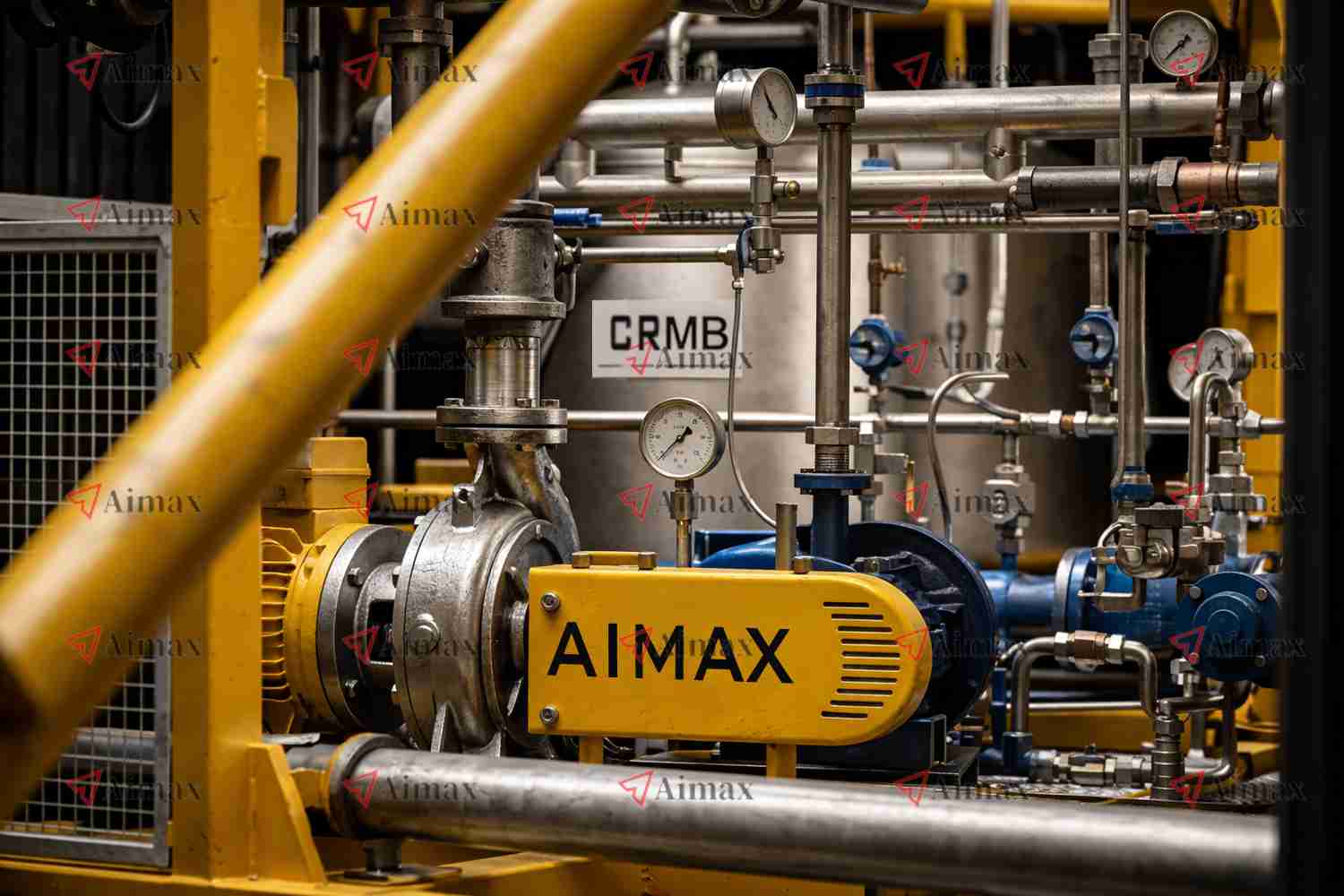
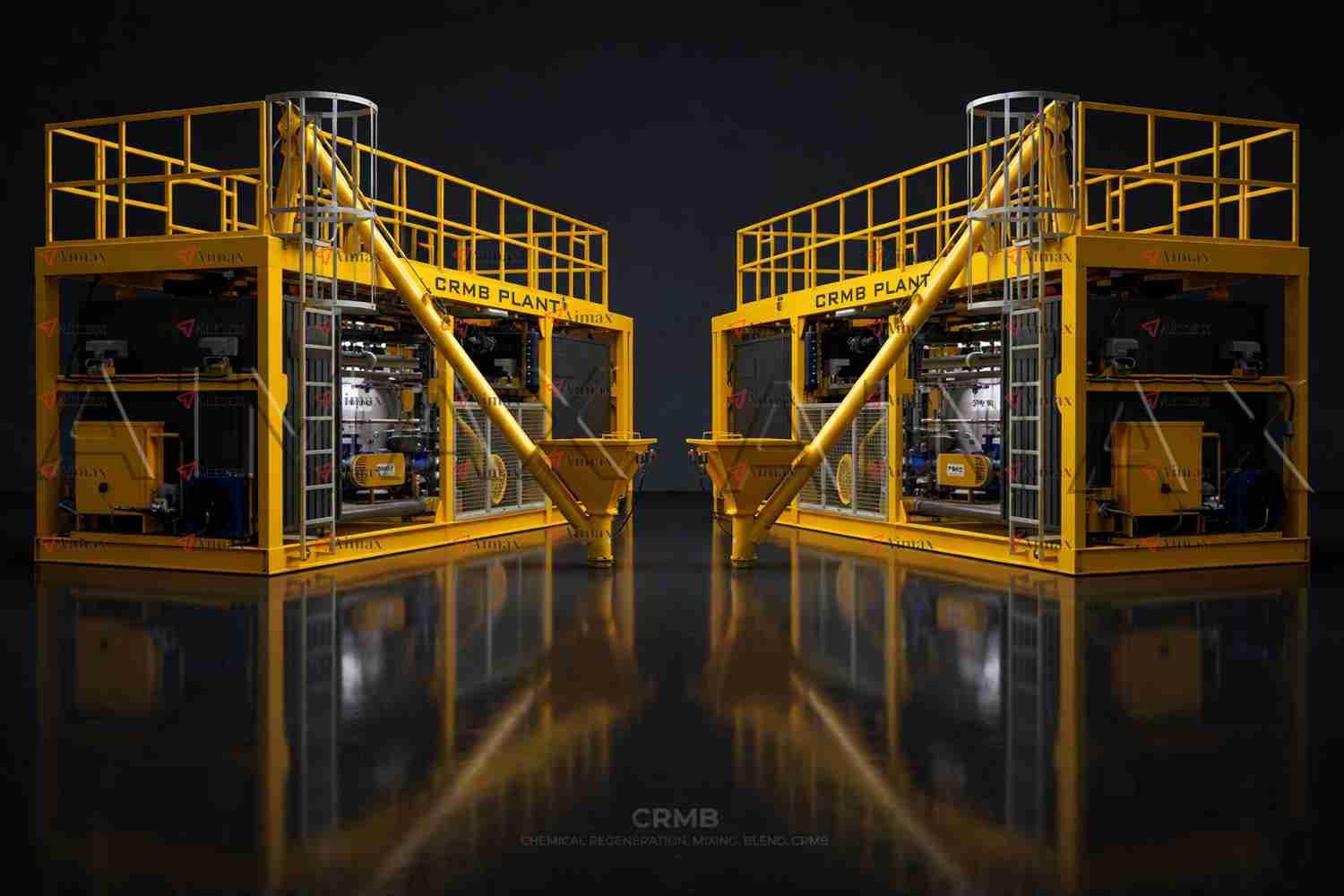

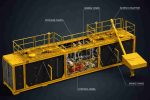
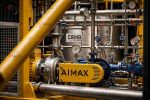

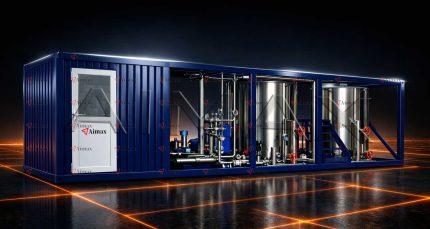
CRMB Plant is designed to produce high-performance modified bitumen by blending crumb rubber from waste tyres with hot bitumen. It enhances flexibility, durability, and resistance to cracking, making it ideal for heavy traffic roads and extreme climate conditions.
Description
CRMB Plant is engineered to produce crumb rubber modified bitumen by blending fine rubber powder with hot bitumen under controlled conditions. The rubber particles react with bitumen to improve elasticity, fatigue resistance, and overall performance.
The plant uses a high shear mixing system to ensure proper dispersion and digestion of rubber. Continuous circulation maintains uniformity and prevents settling. This results in a superior binding material suitable for demanding road applications.
CRMB is widely used in highways, airport runways, and high-load roads where long service life and reduced maintenance are critical. It also contributes to sustainable construction by recycling waste tyres.
CRMB Plant vs PMB Plant – Which One Should You Choose?
Choosing the right modified bitumen plant depends on your project type, budget, and performance requirements. Here’s a clear comparison to help you decide:
Difference Table (CRMB vs PMB)
| Parameter | CRMB Plant | PMB Plant |
| Material Used | Crumb Rubber (Waste Tyres) | Polymer (SBS / EVA) |
| Cost Factor | More economical | Higher initial cost |
| Road Performance | High flexibility (anti-cracking) | High strength (anti-deformation) |
| Ideal Projects | Rural roads, highways, PMGSY | Expressways, city roads, bridges |
| Mixing Process | Rubber digestion required | Polymer blending (precision) |
| Production Time | Longer | Faster |
| Storage Stability | Low (needs immediate use) | High (can be stored longer) |
| Eco-Friendly | Yes (recycled material) | Limited |
| Maintenance | Moderate | Slightly higher |
| Operator Skill | Medium | High (controlled system) |
Plant Configuration Difference
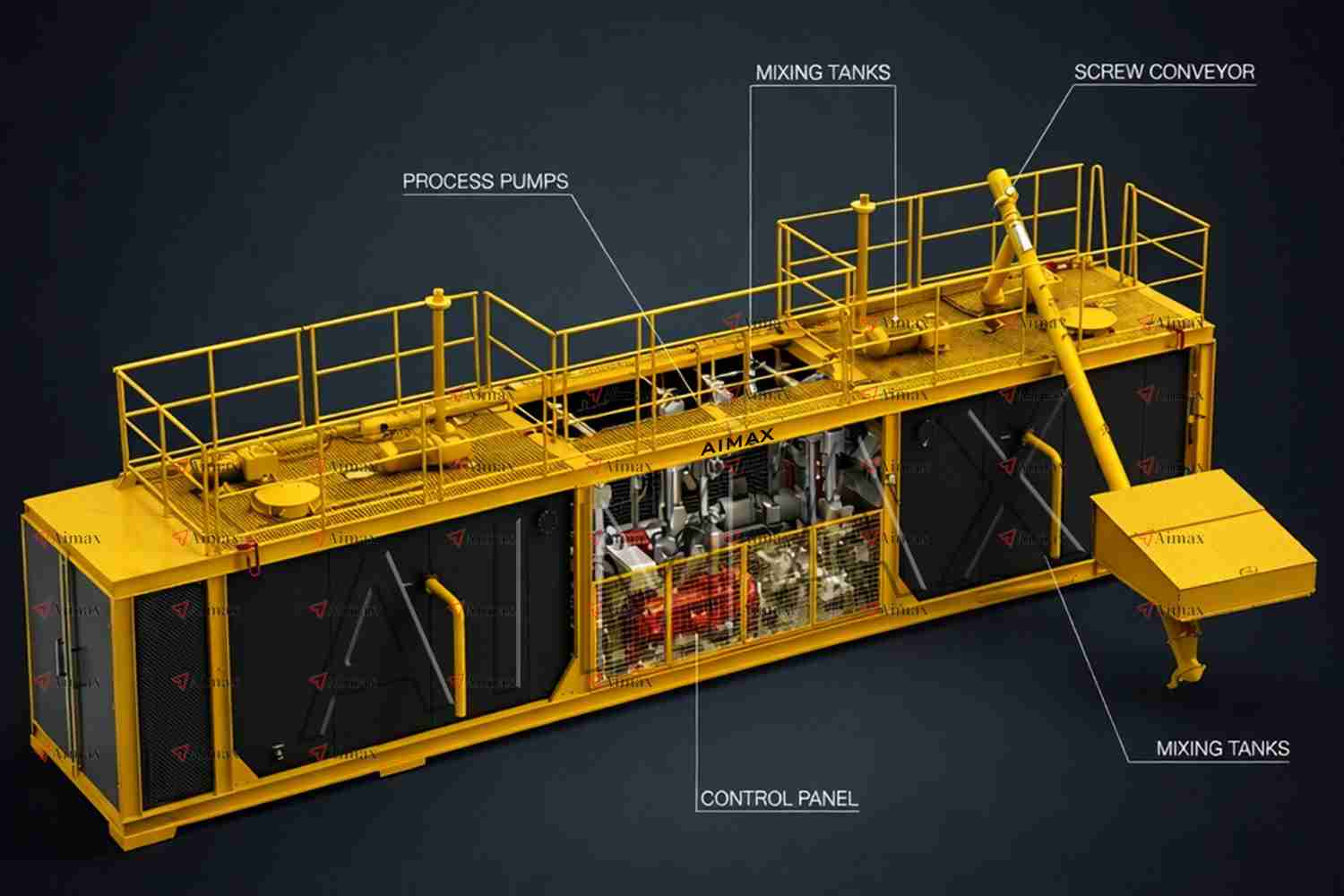
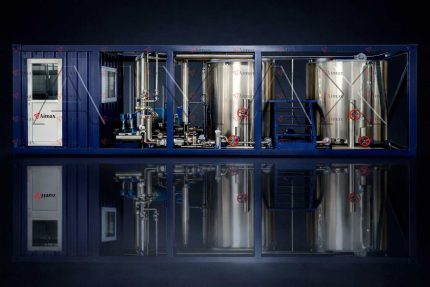
CRMB Plant Configuration (Rubber-Based System)
Designed for continuous mixing & rubber digestion
Includes:
• Bitumen Heating & Storage Tank
• Crumb Rubber Feeding System
• High Shear Mixer / Colloid Mill
• Digestion Tank with Heavy-Duty Agitator
• Thermic Fluid Heating System
• Continuous Circulation Pumping System
• Finished Product Tank (with agitation)
• Semi / Fully Automatic Control Panel
Key Feature: Strong agitation & continuous circulation required to avoid rubber settling.
PMB Plant Configuration (Polymer-Based System)
Designed for precision mixing & controlled blending
Includes:
• Bitumen Heating & Storage System
• Polymer Feeding & Dosing System
• High Shear Mixer / Colloid Mill
• Blending / Reaction Tank
• Additive Dosing System
• Thermic Fluid Heating Unit
• Storage Tank with controlled agitation
• PLC-Based Control Panel (Recommended)
Key Feature: Accurate dosing and high precision mixing for consistent quality.
Practical Selection Guide (Very Important for Buyers)
| Your Requirement | Recommended Plant |
| Budget-friendly solution | CRMB Plant |
| Use of recycled materials | CRMB Plant |
| Long highways / rural roads | CRMB Plant |
| Premium road quality | PMB Plant |
| High traffic / expressway projects | PMB Plant |
| Long-term durability & performance | PMB Plant |
Quick Buyer Insight
- Choose CRMB Plant if your focus is cost-saving + sustainability + flexible roads
- Choose PMB Plant if your focus is premium quality + long life + high performance
Key Points
- Eco-friendly – uses recycled tyre rubber
- Improves pavement life & flexibility
- High shear mixing for uniform blending
- Better resistance to rutting & cracking
- Ideal for highways & heavy-duty roads
- Consistent quality output
- Lower lifecycle maintenance cost
Specification
Parameter Details
Heating System Thermic Fluid Heater / Burner
Control System Semi / Fully Automatic
Mixing System High Shear Mixer / Colloid Mill
Raw Material Bitumen + Crumb Rubber
Plant Type Batch / Continuous
Production Capacity 5 – 20 TPH
Storage Tanks Insulated
Temperature Range 160°C – 190°C
Application Highways, Airports, Heavy Traffic Roads
Standard Config
- Bitumen heating & storage tank
- Crumb rubber feeding system
- High shear mixer / colloid mill
- Blending tank with agitator
- Thermic fluid heating system
- Pumping & circulation system
- Control panel (semi/fully automatic)
- Finished product storage tanks
Features
FAQ
Usually 30–60 minutes depending on temperature and rubber quality. Yes, but quality and grading must meet required standards for proper performance. Diesel, furnace oil, or thermic fluid heating systems can be used. Yes, depending on plant design (batch or continuous), both options are available. Regular cleaning of mixer, pump, and pipelines is required to avoid material clogging. Through temperature monitoring, mixing time control, and proper material proportioning. CRMB should be used within a limited time (generally 4–6 hours) unless special additives are used. Yes, temperature control and continuous agitation are important during storage and transport. Higher initial cost but significantly lower maintenance and longer road life. Yes, it can be integrated or installed as a separate unit. Yes, widely used in national highway and approved infrastructure projects. What is the digestion time of rubber in bitumen?
Can the plant use locally available crumb rubber?
What fuel is required for heating?
Is continuous operation possible?
What is the maintenance requirement?
How is quality controlled during production?
What is the storage stability of CRMB?
Does CRMB require special handling at site?
What are the cost benefits of CRMB?
Can this plant be installed at an existing asphalt plant site?
Is it suitable for government tender projects?
Related products
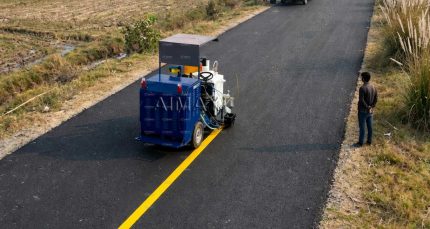
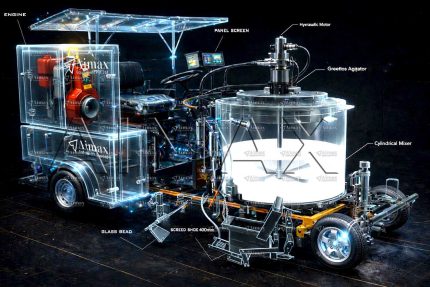
Automatic Road Marking Machine
Aimax Ride-On Thermoplastic Road Marking Machines are built for contractors who need consistent output, durability, and flexibility in different project conditions. These machines deliver precise line marking with controlled thickness and excellent bonding on road surfaces. With multiple capacity options, advanced heating systems, and now electric drive variants, they are suitable for everything from municipal jobs to large highway contracts.


Chips Spreader with Bitumen Sprayer
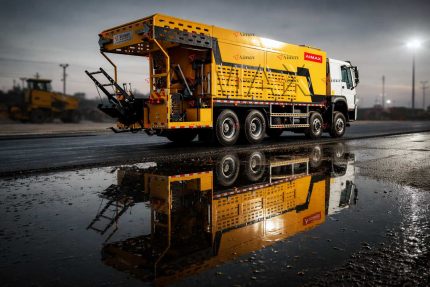
Aimax Bitumen Sprayer cum Chip Spreader – Global Series
Aimax Bitumen Sprayer cum Chip Spreader is a high-performance, truck-mounted solution designed for synchronized spraying of bitumen and uniform spreading of aggregates in a single pass.
It ensures superior bonding, faster road construction, and reduced operational cost for surface dressing and chip seal applications.
Engineered for global projects, it delivers precision, efficiency, and durability in every road condition.

Micro Surfacing Slurry Paver
The Aimax Micro Surfacing Slurry Paver Machine is designed for fast, efficient, and cost-effective road maintenance. Built for contractors and infrastructure companies, it delivers consistent micro surfacing application with high precision. Whether you are working on highways, city roads, or preventive maintenance projects, this machine ensures durable surface treatment with minimal downtime.
With multiple models ranging from 5 m³ to 12 m³ capacity, Aimax offers the right solution for both urban and large-scale road projects.


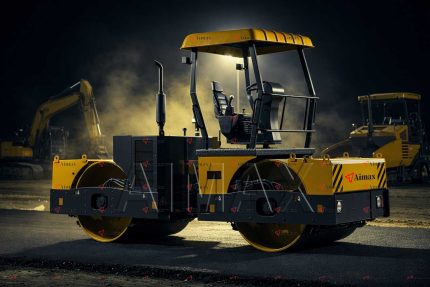

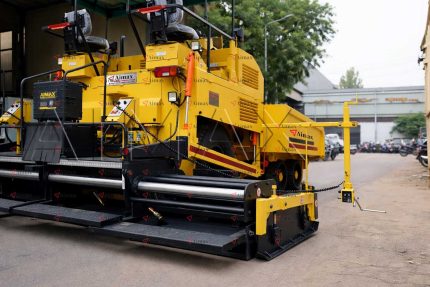
Sensor Paver Finisher
High-Precision Asphalt Hydrostatic Sensor Paver for Modern Road Projects
Aimax Sensor Asphalt Paver Machines are built for projects where precision, automation, and surface quality are critical. These machines are equipped with advanced grade and slope sensor systems, ensuring accurate thickness control and superior road finish.
Designed as a high-performance Asphalt Hydrostatic Sensor Paver, the ASP series combines hydrostatic drive technology with intelligent leveling systems to deliver consistent results across large-scale and high-specification projects.
Ideal for highways, government contracts, and premium road construction, these machines reduce manual dependency and improve overall paving efficiency.
Reviews
There are no reviews yet.